

Authored by Recovery HQ
September 16, 2025
For decades, research has shown that trauma is one of the strongest predictors of substance use disorders. Childhood neglect, abuse, violence, accidents, or even unresolved grief can rewire how the brain processes stress, fear, and safety. Many people turn to alcohol or drugs as a way to escape overwhelming feelings or numb painful memories.
What makes this especially concerning is that untreated trauma often lingers beneath the surface, quietly fueling cycles of relapse even after a person has completed rehab. Without addressing these underlying issues, recovery remains fragile. That’s why more treatment centers are turning to trauma-informed inpatient programs, where healing trauma is just as important as achieving sobriety.
Unlike outpatient care, inpatient treatment allows for an immersive healing environment—one where people can truly focus on themselves without distractions or outside triggers. For those with a trauma history, this safe, structured setting is especially important.
Key Benefits of Trauma-Informed Inpatient Programs:
Not every therapy is right for every person. That’s why a variety of evidence-based and holistic modalities are often combined. Programs like those at inpatient addiction treatment facilities typically integrate:
Imagine a client who experienced childhood abuse and later developed an opioid dependency. Traditional inpatient treatment might focus heavily on detox, group therapy, and relapse prevention. While helpful, this approach risks missing the core driver of the addiction—the unresolved trauma.
In a trauma-informed inpatient program, this client would not only stabilize physically but also:
This integrated approach can make the difference between a short-lived recovery and a sustainable one.
Why Trauma-Informed Care Is Essential in 2025 and Beyond
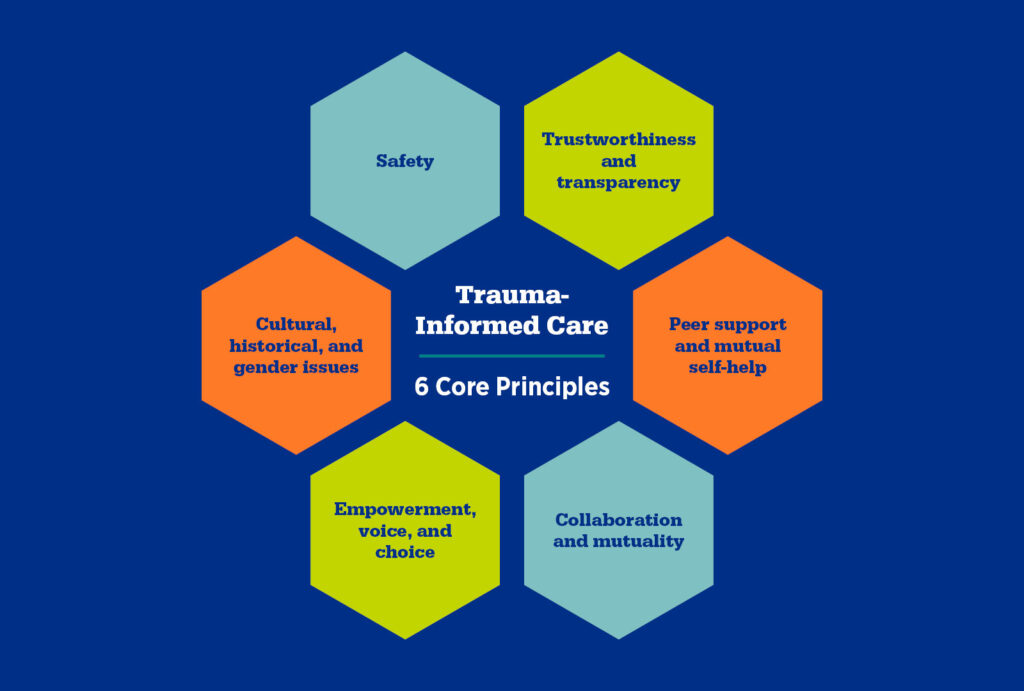
As awareness grows, families are asking more often whether a rehab facility offers trauma-informed care. The rise in co-occurring diagnoses like PTSD and substance use disorders makes this question more important than ever.
Recent research highlights that:
By choosing an inpatient rehab that provides trauma-informed, holistic healing, individuals have a far better chance of breaking the cycle of relapse and reclaiming their lives.
One of the most effective aspects of trauma-informed inpatient treatment is how it integrates clinical therapy with holistic and relational approaches. Addiction is often called a “disease of disconnection.” Trauma makes that disconnection deeper—people may struggle to connect to others, to their own emotions, or even to hope for the future.
By incorporating holistic therapies like yoga, mindfulness, experiential therapy, and group connection, inpatient centers help rebuild a sense of safety in the body and confidence in relationships. This relational healing is essential for trauma survivors who may have learned to mistrust others as a survival mechanism.
For families seeking help, it’s critical to look for programs that:
Programs like those at trauma-informed inpatient facilities emphasize whole-person healing and continuity of care.
Healing Trauma Is Healing Addiction
Addiction recovery isn’t just about removing substances—it’s about addressing the pain beneath them. Trauma-informed inpatient treatment provides a path to long-term recovery by healing not only the body but also the mind and spirit.
For anyone struggling with addiction rooted in trauma, choosing a program that prioritizes trauma-informed care could be the most important decision they ever make.
If you or someone you love is considering Trauma Care, don’t wait. Call Recovery HQ today at (800) 533-6166 or visit our Treatment Options page to learn more.
The Recovery HQ Team is here to help you!
If you need any help with finding the right treatment center or rehab facility for you or a loved one, the Recovery HQ Team is here to assist you through this difficult time. Please contact our dedicated team and we will do all we can to help.