

Authored by Recovery HQ
September 19, 2025
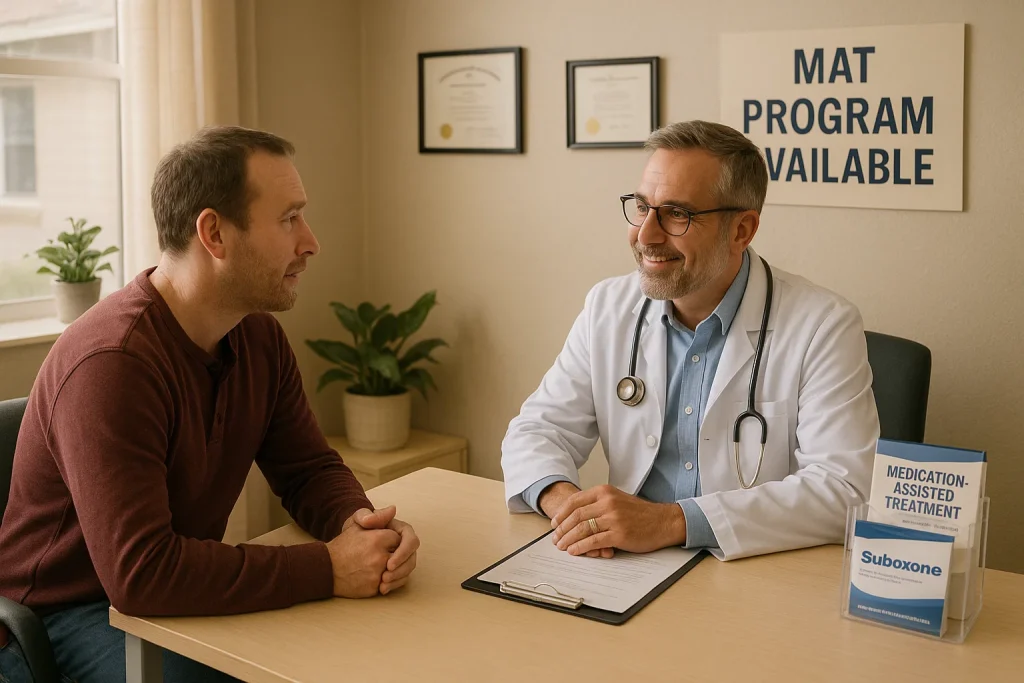
In recent years, medication-assisted treatment (MAT) has emerged as a crucial component in addressing opioid, alcohol, and other substance use disorders. While some people still assume recovery must be “drug-free,” modern research shows that for many individuals, using safe, evidence-based medications alongside therapy can dramatically improve recovery outcomes.
In inpatient programs, where clients often face the most challenging stages of withdrawal and early stabilization, MAT can provide the critical foundation they need to succeed long term.
MAT is the use of FDA-approved medications in combination with counseling and behavioral therapies to treat substance use disorders. Unlike “replacement therapy,” MAT is designed to reduce withdrawal symptoms, curb cravings, and stabilize the brain so individuals can fully participate in therapy.
Common medications used in MAT include:
When administered under medical supervision in an inpatient setting, these medications are both safe and highly effective.
Inpatient treatment provides the ideal environment for introducing MAT because clients are monitored around the clock by medical professionals.
Key Benefits:
MAT doesn’t replace therapy; it makes therapy more accessible by stabilizing clients physically and emotionally.
One of the biggest misconceptions about MAT is that it’s simply about taking a pill to fix addiction. In reality, MAT is most effective when it is integrated with evidence-based and holistic therapies.
Inpatient programs like those at comprehensive treatment centers often combine MAT with:
This whole-person approach ensures MAT is not a crutch, but a stepping stone to deeper healing.
Despite decades of research, stigma remains a barrier. Some people still see MAT as “replacing one drug with another.” But the reality is that untreated opioid or alcohol withdrawal can be life-threatening, and cravings are one of the leading causes of relapse.
MAT provides individuals with the stability they need to break free from the cycle of withdrawal and relapse. Far from replacing one substance with another, MAT allows clients to regain control of their lives while building healthy coping strategies in therapy.
Why MAT in Inpatient Settings Is Critical in 2025
With overdose deaths continuing to rise—particularly from fentanyl—MAT is more vital than ever. According to the Substance Abuse and Mental Health Services Administration (SAMHSA), combining MAT with behavioral therapies can cut opioid use disorder relapse rates by more than half.
Inpatient programs have the added advantage of:
Families play a crucial role in encouraging treatment and supporting recovery. Helpful steps include:
Where to Find Dual Diagnosis Treatment
When searching for care, families should look for programs that offer:
One example is dual diagnosis treatment in La Jolla offered at Windansea Recovery. Their integrated approach combines evidence-based therapies with holistic healing in a serene coastal setting, giving clients the tools they need for lasting recovery.
Families exploring inpatient options should ask whether a program offers MAT as part of its continuum of care. Facilities that combine MAT with trauma-informed and holistic therapies provide the strongest foundation for sustained sobriety.
If you or someone you care about may need help, explore the MAT program and other inpatient treatment programs at Grata House. With the right support, lasting recovery is possible.
The Recovery HQ Team is here to help you!
If you need any help with finding the right treatment center or rehab facility for you or a loved one, the Recovery HQ Team is here to assist you through this difficult time. Please contact our dedicated team and we will do all we can to help.