

Authored by Recovery HQ
September 15, 2025
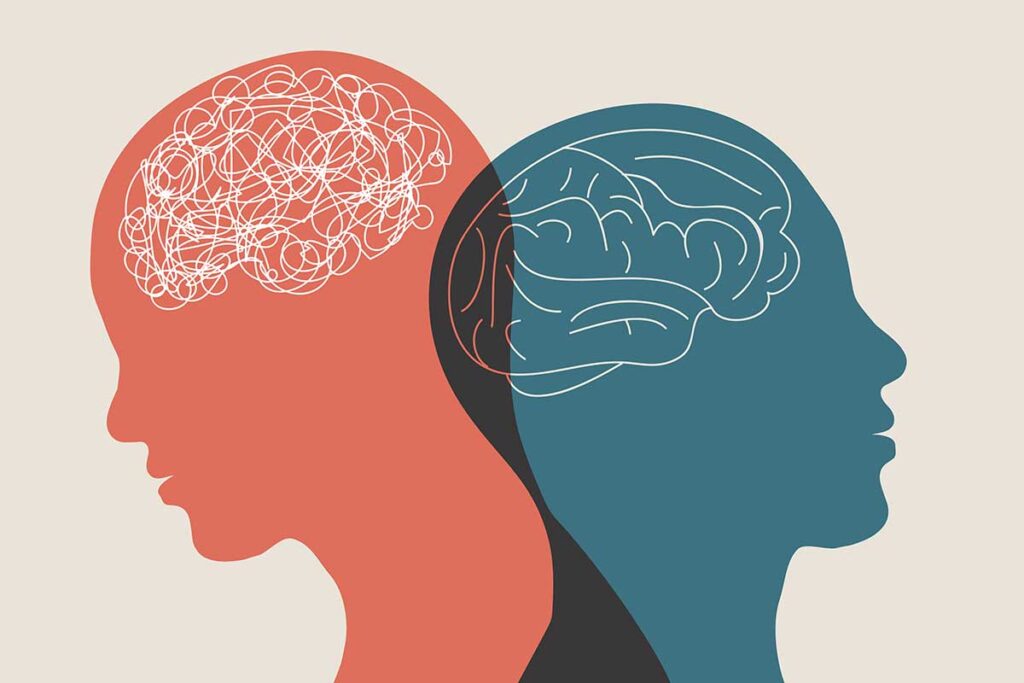
Addiction and mental health disorders are deeply interconnected. For many, substance use begins as a way to cope with emotional pain, trauma, or psychological distress — a temporary escape that soon becomes a devastating dependency. When addiction and mental health challenges coexist, it’s known as dual diagnosis, or co-occurring disorders.
Dual diagnosis cases require a level of care that goes beyond standard addiction treatment. They demand an integrated, multidisciplinary approach that addresses both the mind and body — ensuring that neither condition fuels the other.
At Recovery HQ, we believe that understanding dual diagnosis is essential for achieving lasting recovery. And at treatment centers like Restore Detox Centers in San Diego, comprehensive care for co-occurring disorders helps clients heal from the inside out.
What Is Dual Diagnosis?
A dual diagnosis occurs when an individual experiences both a substance use disorder (SUD) and a mental health disorder at the same time. This combination is far more common than most realize — according to the National Institute on Drug Abuse (NIDA), roughly 50% of people with a mental illness will experience substance abuse in their lifetime, and vice versa.
Common dual diagnosis pairings include:
When untreated, each condition exacerbates the other — creating a vicious cycle that’s nearly impossible to escape without specialized intervention.
How Mental Health and Addiction Interact
The relationship between mental health and addiction is bidirectional — meaning each can contribute to the onset and progression of the other.
Many individuals begin using substances as a way to self-medicate symptoms of anxiety, depression, or trauma. For instance:
Over time, this pattern creates a dependency that worsens both conditions.
Chronic drug or alcohol use alters brain chemistry, often resulting in mood instability, cognitive dysfunction, and emotional dysregulation. Prolonged use can trigger or intensify mental health conditions, even in individuals with no prior psychiatric history.
Both addiction and mental illness share genetic, environmental, and social risk factors — such as trauma, chronic stress, and family history. This overlap helps explain why dual diagnosis is so prevalent and why integrated treatment is crucial for full recovery.
The Dangers of Treating One Without the Other
Historically, addiction and mental health were treated separately — with devastating results. A patient might go through detox, then rehab, and be discharged, only to relapse due to untreated depression. Or they might seek therapy for anxiety while continuing to misuse alcohol to cope.
When one condition remains unaddressed, both worsen. Studies show that individuals with co-occurring disorders who only receive single-focus treatment experience relapse rates nearly 50% higher than those receiving integrated care.
Simply put: you cannot heal one without treating the other.
The Signs of Dual Diagnosis
Identifying dual diagnosis can be challenging because symptoms of substance abuse often mimic or mask psychiatric conditions. Still, certain patterns may indicate that both are present:
If these signs sound familiar, it may be time to seek a program equipped to treat both mental health and substance use disorders simultaneously.
The Importance of Integrated Treatment
Integrated dual diagnosis treatment combines medical, psychological, and behavioral therapies into one coordinated plan. This comprehensive approach allows clinicians to understand how each disorder influences the other and to treat the individual — not just the symptoms.
Effective dual diagnosis programs typically include:
An accurate diagnosis is the foundation of effective treatment. Clinicians evaluate substance history, psychiatric symptoms, trauma background, and medical health to create a personalized care plan.
Certain mental health conditions benefit from medication support, such as antidepressants, mood stabilizers, or anti-anxiety medications. In dual diagnosis care, these are prescribed carefully and monitored closely to ensure safety and avoid dependency risks.
Psychotherapies such as Cognitive Behavioral Therapy (CBT) and Dialectical Behavioral Therapy (DBT) are the cornerstones of dual diagnosis treatment. CBT helps clients recognize and replace harmful thought patterns, while DBT teaches mindfulness, distress tolerance, and emotional regulation.
Addiction and mental health recovery both require balance between mind and body. Holistic modalities like yoga, meditation, breathwork, and nutritional therapy help reduce stress, regulate mood, and build self-awareness.
Addiction affects everyone in the family unit. Family therapy helps loved ones understand the link between addiction and mental health, improves communication, and strengthens the recovery support system.
Recovery doesn’t end after detox or inpatient treatment. Step-down programs such as Partial Hospitalization (PHP), Intensive Outpatient (IOP), and aftercare ensure clients maintain stability as they reintegrate into daily life.
When all these elements work together, individuals experience deeper healing, higher retention in treatment, and stronger long-term outcomes.
Evidence-Based Therapies for Co-Occurring Disorders
Cognitive Behavioral Therapy (CBT)
CBT focuses on identifying distorted thinking patterns that contribute to both substance use and mental health symptoms. By learning to reframe thoughts and behaviors, clients gain control over triggers and impulses.
Dialectical Behavioral Therapy (DBT)
DBT is especially effective for clients with emotional dysregulation, trauma, or personality disorders. It teaches four key skills — mindfulness, distress tolerance, emotion regulation, and interpersonal effectiveness — that strengthen resilience.
Motivational Interviewing (MI)
MI helps clients explore ambivalence toward change, empowering them to take ownership of their recovery journey. This collaborative approach enhances motivation and engagement.
Trauma-Informed Therapy
Many individuals with dual diagnosis have a history of trauma. Trauma-informed care ensures clients feel safe, respected, and supported throughout treatment — addressing root causes rather than just symptoms.
Group and Peer Support Therapy
Group sessions create community and accountability. Hearing others’ stories reduces isolation and reinforces hope — both essential to long-term recovery.
The Role of Medical Detox in Dual Diagnosis
Before therapy can begin, many clients must first undergo medical detox to safely eliminate substances from their system. Detox helps stabilize the body and prepares the brain for therapeutic engagement.
At Restore Detox Centers
in Poway, California, clients receive 24/7 medical supervision during detox, followed by seamless transition into residential or dual diagnosis programs. This ensures continuity of care — a key factor in preventing relapse.
How Restore Detox Centers Treats Dual Diagnosis
Restore Detox Centers offers a comprehensive, evidence-based dual diagnosis program that integrates medical, therapeutic, and holistic care.
Their licensed clinical team designs individualized treatment plans that address both addiction and mental health conditions simultaneously. This includes:
Located in a private, luxury facility in Poway, Restore provides a serene, healing environment ideal for emotional and physical restoration. Their goal is not just sobriety — it’s wholeness, stability, and renewed purpose.
The Importance of Ongoing Support After Treatment
Dual diagnosis recovery doesn’t end when residential care is complete. Because mental health symptoms can fluctuate, aftercare and relapse prevention planning are essential.
Ongoing support might include:
By maintaining these supports, individuals strengthen their coping mechanisms, reinforce emotional stability, and protect their progress.
Common Barriers to Dual Diagnosis Treatment
Even though integrated care is vital, many people delay or avoid dual diagnosis treatment due to stigma, fear, or lack of understanding. Common barriers include:
Breaking these barriers begins with education and empathy. No one chooses to struggle — but everyone deserves the chance to recover.
Hope and Healing: The Path Forward
Dual diagnosis treatment is not easy, but it is deeply transformative. When individuals receive the right care — integrated, compassionate, and evidence-based — they not only find relief from symptoms but also rediscover hope, identity, and purpose.
At Restore Detox Centers, clients are guided through this transformation with expert medical care, therapy, and holistic support in an environment of dignity and respect.
The path to recovery is not about returning to who you were before addiction — it’s about becoming who you were always meant to be.
Key Takeaway
Understanding and treating dual diagnosis is essential for lasting recovery. Addiction and mental health are deeply intertwined, and when both are treated together, individuals experience true healing — physically, mentally, and emotionally.
If you or someone you love is struggling with addiction and mental health challenges, reach out to Restore Detox Centers in Poway, California. Their integrated dual diagnosis programs provide the compassionate, evidence-based care needed to build lasting wellness.
The Recovery HQ Team is here to help you!
If you need any help with finding the right treatment center or rehab facility for you or a loved one, the Recovery HQ Team is here to assist you through this difficult time. Please contact our dedicated team and we will do all we can to help.